
Spray Drying & Dynamic Atomization
While traditional spray drying has drawbacks, such as high energy consumption, longer drying times, expensive replacement parts and thermal degradation of sensitive ingredient challenges. Dynamic

While traditional spray drying has drawbacks, such as high energy consumption, longer drying times, expensive replacement parts and thermal degradation of sensitive ingredient challenges. Dynamic

Food powders are a diverse group of particulates in the size range of roughly 50 to 1000 μm (for example, flour, sugar, spices, instant beverages,

One of the most influential factors in supplement formulation is particle size. Whether developing oral tablets, capsules, or powders, the size and distribution of particles

Particle size reduction is critical to enhance powder properties such as flowability, compressability, stability, uniformity, and bioavailability of ingredients. A smaller particle size enables better
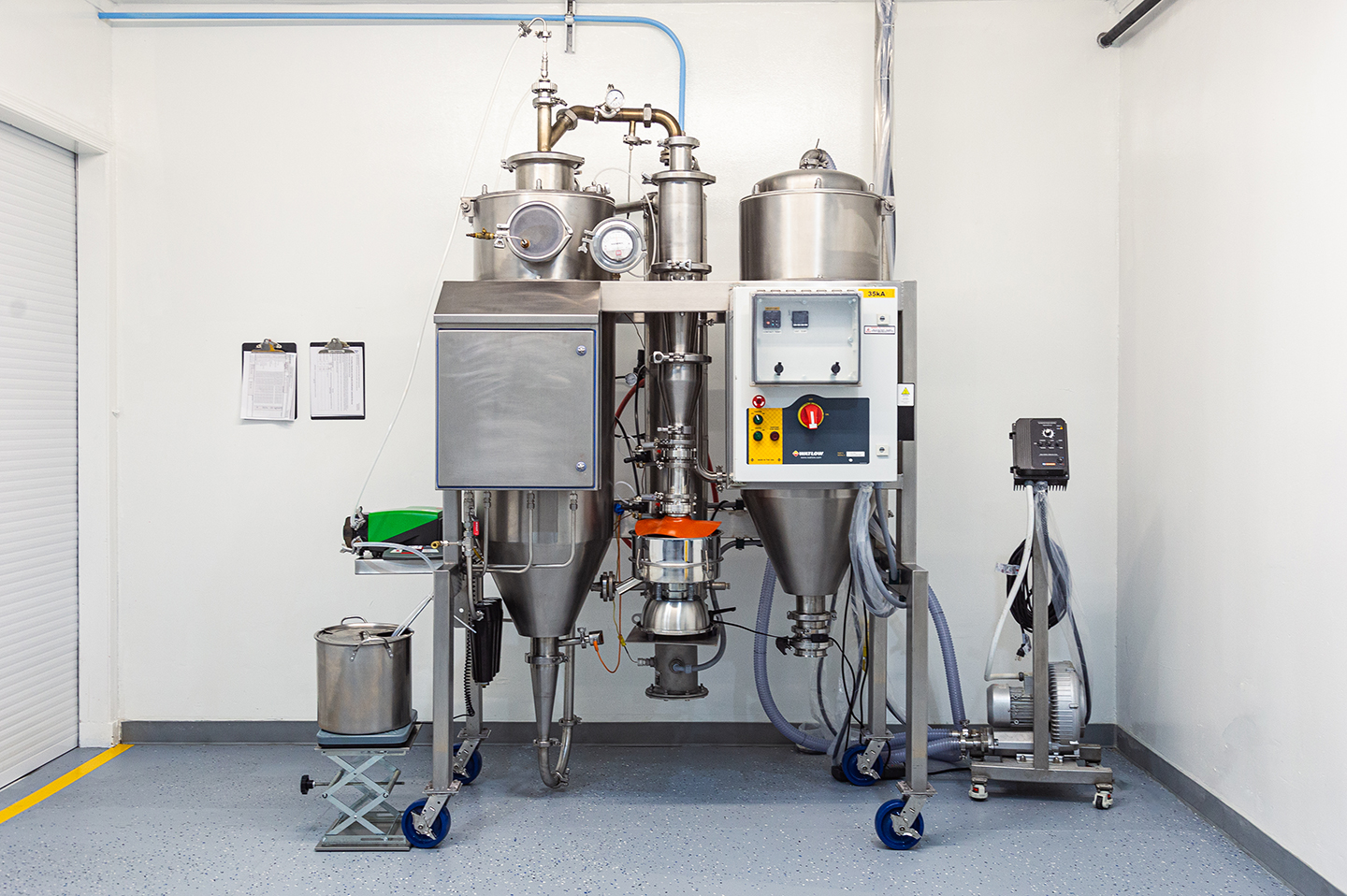
Spray drying is the go-to technology for powder production because of its versatility in controlling particle size, shape, and moisture content. However, moving from laboratory

Across powder-based industries such as nutraceuticals, cosmetics, pharmaceuticals, food and beverage, and more, uniform particle size is an important indicator of how well a powder

Spray drying quality depends on precise control of multiple interconnected factors that determine particle characteristics, shelf life, and product performance. Understanding these variables enables manufacturers

Unwanted powder moisture content is a significant concern during powder manufacturing, as it impacts the powder’s physical and chemical properties, altering its texture, flavor, stability,

Cyclodextrin offers many financial benefits, including enhanced shelf life, bioavailability, and product efficiency.
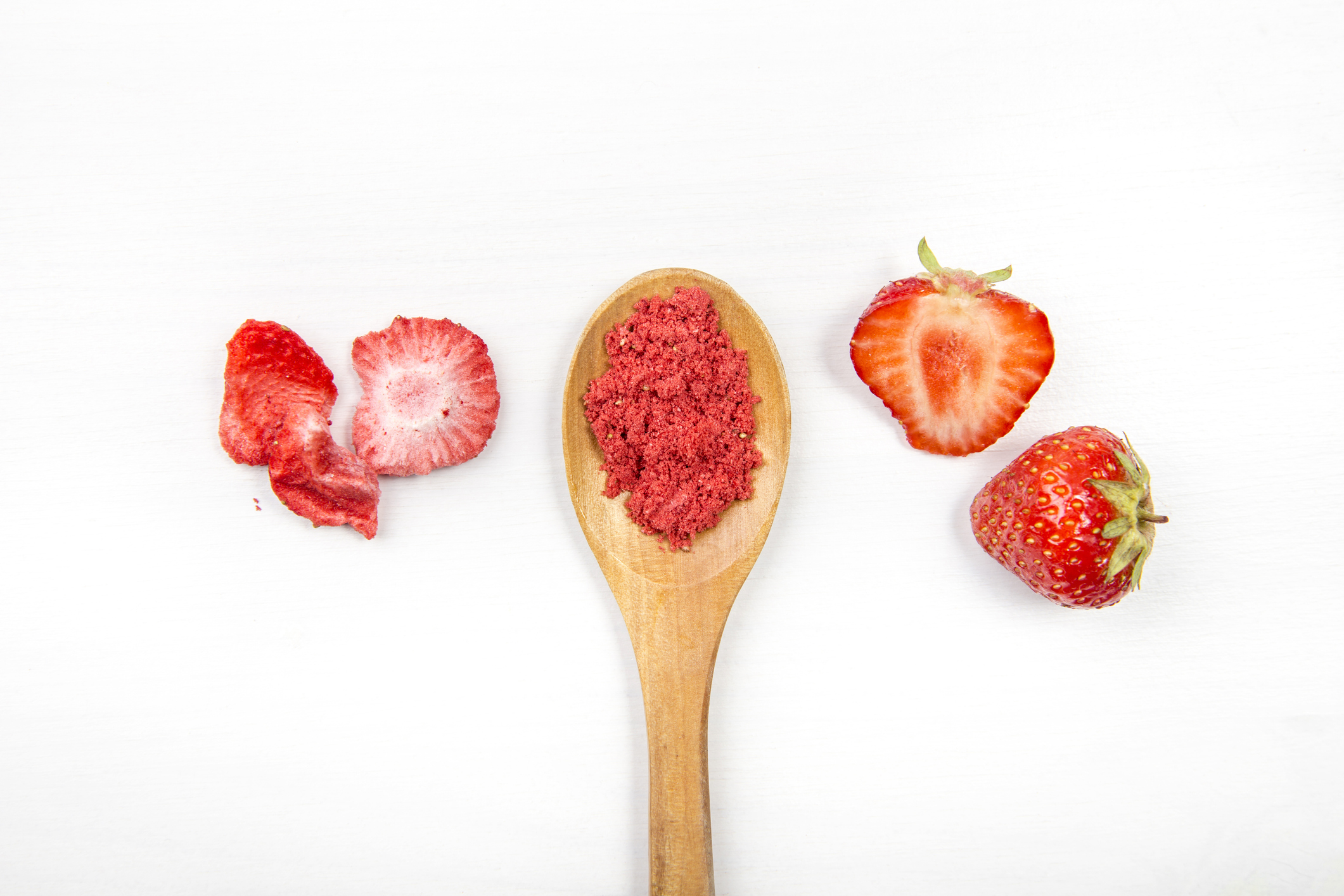
Explore the differences between drying methods to convert liquid products into powders to determine the best option for each unique product. Comparisons of Dynamic Atomization